Field inspection · API 510 · 570 · 653 · Fitness-for-service · Ultrasonic thickness
Pressure vessel, piping and tank inspection—with UT readings that stay on the drawing.
Too often the isometric is a PDF in a shared folder and the thicknesses live in a spreadsheet—one wrong row, and remaining life is on the wrong component. FAST inspects pressure vessels, process piping and storage tanks in the field with TankForge, so each ultrasonic thickness (UT) reading sits on a named location on the drawing, with photos and findings in the same package.
 API 510Vessel inspections
 API 570Piping inspections
 API 653Tank inspections
Why work with FAST
We inspect with our own software, so the work after the site visit—the math, the report, the status updates—moves as fast as the field work.
- We do all the calculationsCorrosion rates, remaining life, minimum required thickness and next-inspection dates are calculated from the readings—no spreadsheet hand-off for your team to finish.
- Results almost immediatelyReadings go into the record on site, on the drawing, and the calculations run as they are entered. You don't wait for someone back at the office to key in field notes.
- Fast turnoverThe report is built from the same record we fill in the field, so there is no retyping between inspection and delivery.
- Live statusSee where your inspection stands—scheduled, in the field, in review, delivered—without chasing emails.
- Built for the siteTankForge works offline, so the drawing, readings and observations stay together when connectivity is limited.
What we inspect
-
Pressure vessels API 510
External and internal visual inspection, thickness monitoring locations, and nameplate and drawing records kept with the readings.
-
Process piping API 570
External inspection with every thickness reading on a named CML on the isometric, with photos and findings in the same package, including insulation and CUI observations.
-
Aboveground storage tanks API 653
External and internal inspections, ultrasonic thickness readings on the shell and roof, settlement survey, and a drawing package of the tank.
-
Fitness-for-service API 579-1/ASME FFS-1
For vessels, piping and tanks. When the readings show metal loss, we lay out a grid and take UT readings across the corroded area, then assess it under API 579-1: Part 4 for general metal loss, Part 5 for local metal loss and Part 6 for pitting. The result is whether the component can keep running, and for how long.
Tank cleaning, gas-freeing, scaffolding and repairs are arranged by the owner or quoted separately in the written scope.
One package to review
The drawing, the CML readings, and the photos—together, so remaining life is reviewed on the right component.
- 01
Reading on the CML
Each thickness value sits on a named condition-monitoring location (CML) on the isometric—not a disconnected spreadsheet row.
- 02
Drawing, readings, photos
One openable package for the piping item: the editable isometric, CML reader inputs, photos, and findings.
- 03
Remaining life, judgment in charge
Corrosion-rate and remaining-life reporting is there to review. The inspector's professional judgment stays in charge—the software does not replace it.
From the site to a reviewable package
Turnarounds are won during planning—when the drawing is available, accurate, and useful, and the thicknesses are already on the right CML. We organize the field record alongside your inspection process; the software supports the inspector's judgment and does not replace it.
- 01
Scope the assets
We agree on the assets, the inspection standard, and what goes in the report. You get a written quote.
- 02
Lay out the drawing
We create or revise the editable drawing so the working drawing is the record—not a stale PDF.
- 03
Collect on the CML
Readings, photos, and findings go onto the drawing while we are on site. For piping, the four-point CLOCK4 CML reader, including insulation and CUI observations.
- 04
Review remaining life
Reader data comes together with corrosion-rate and remaining-life reporting. The numbers are there to review; the inspector's judgment stays in charge.
- 05
Hand off in Word
You receive the organized record exported to Word from the same package—drawing, readings, photos—one artifact, not a folder of fragments.
We inspect with TankForge
Every report comes out of TankForge and PipeForge, built by TankForge Inspection. Each app is made for a single kind of asset, and the same record covers the tanks, vessels, and piping on one site.
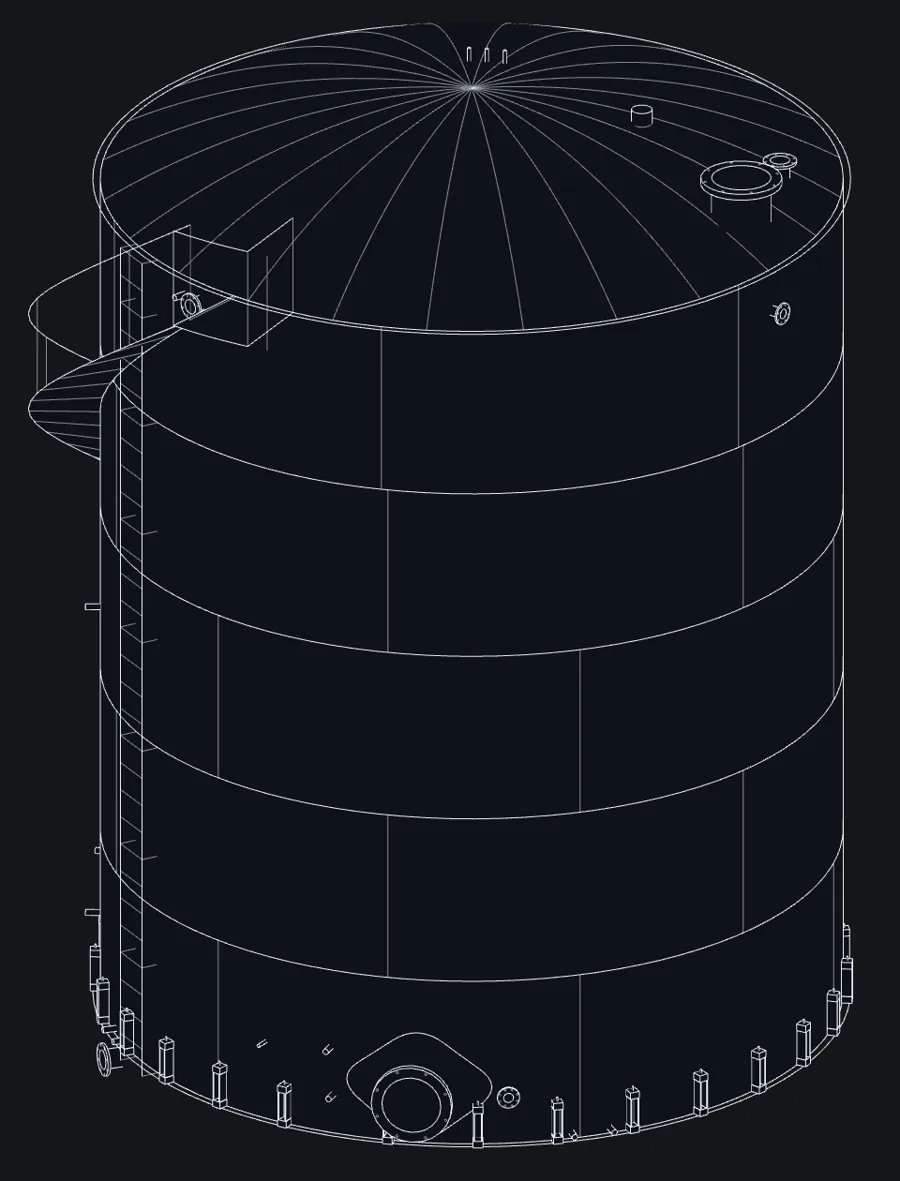
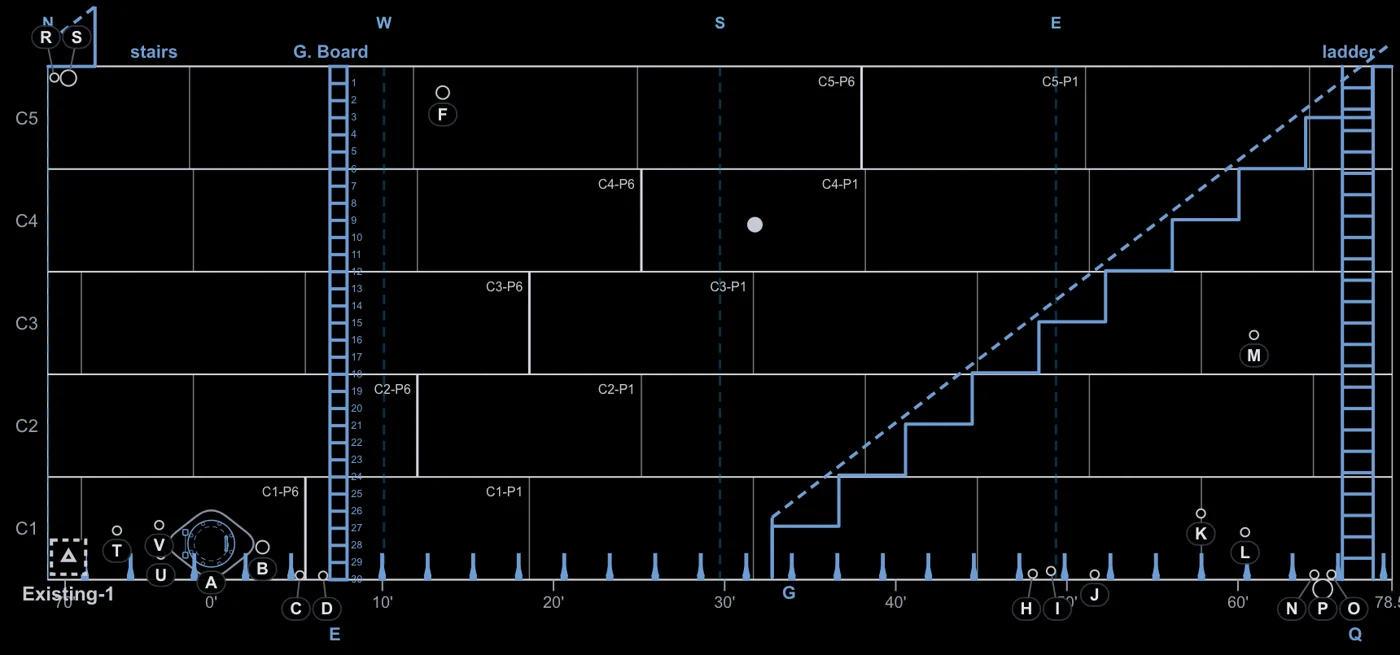
In the same record — piping, tanks, vessels
- Editable piping isometrics
- Four-point CLOCK4 CML reader
- Photos and findings on the run
- Corrosion rate and remaining life
- API 574 Annex A checklist
- Word export
- Offline-capable PWA
Tell us about the asset
Call with the asset type, its size and when it is coming out of service. We will follow up with a written scope and quote.
253-407-3722